Episode 91 - Stern's Dark Age: Pinball in the 2000s
Podcast

Wedgehead Pinball Podcast
1 hr 1 min
Summary
Stern's cost discipline and contract games saved pinball industry in 2000-2007 dark age era.
Wedgehead Pinball Podcast explores Stern Pinball survival during the early 2000s 'dark age' when it became the sole pinball manufacturer after Williams' closure and Sega's exit. Greg Dunlap, a PLD programmer, discusses how standardization, cost-cutting measures, and high-quality contract games like Monopoly helped Stern weather industry collapse and establish the foundation for modern pinball's resurgence.
Highlights
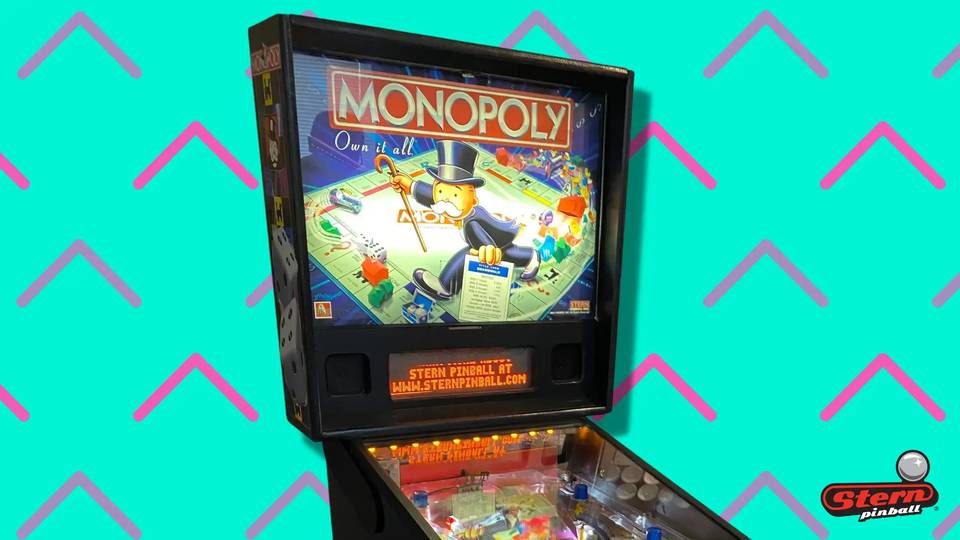
- Stern Pinball production runs in 1999-2001 were estimated at 800 units or less for early games, with Monopoly at 3,640 units representing a massive hit that justified the numbers.
- Gary Stern was extremely cost-conscious but necessarily so for survival, implementing standardization (black rubbers across all games, removal of slam tilt switches, wire-saving measures) that continued industry practices.
- Monopoly (2001) brought Williams-level polish to Stern games through typography improvements, distinct music cues per mode, and professional team (Chris Granner sound, John Youssi art, Greg/Louis software, John Krutsch mechanics).
- Williams ownership deliberately prevented asset sale to successful operators like Roger Sharpe to avoid stockholders seeing someone else succeed with Williams IP.
- Lord of the Rings (2003, George Gomez) is the highest-ranked game of the 2003-2007 'hope era' at #14 all-time on Pinside; Simpsons Pinball Party ranks #34.



Comments