Episode 62 - Fan Layouts

Wedgehead Pinball Podcast
43 min
Summary
Wedgehead explores fan layout definition, history, designers, and why online pinball nerds love dismissing them.
Alan and Alex from the Wedgehead Pinball Podcast discuss the definition, history, and cultural significance of 'fan layouts' in pinball design. They explore what makes a fan layout, trace its origins to games like Terminator 2, highlight designers associated with the style (Steve Ritchie, George Gomez, John Borg, Brian Eddy), and examine why the term has become both descriptive and pejorative in online pinball communities. The hosts argue that fan layouts, despite online dismissal, form the backbone of modern pinball and are genuinely fun to play, while acknowledging the community's tendency to use the term reductively to dismiss new games.
Highlights
- Steve Ritchie's Terminator 2 (1991) is the first universally acknowledged fan layout that inspired copycats
- Fan layouts became the backbone of modern pinball design and represent the transition point where pinball started feeling 'modern'
- The term 'fan layout' is used dismissively on Pinside and other forums by home collectors to reject new games they won't buy
- Many highly regarded, sought-after, and popular games from the 90s and early Stern era are straightforward fan layouts
- A true fan layout requires an orbit that goes all the way around the playfield
- George Gomez does 'straightforward fan' layouts and 'does good shit with it'
- Steve Ritchie invented the fan layout, and even his non-fan games get called fans by the online community
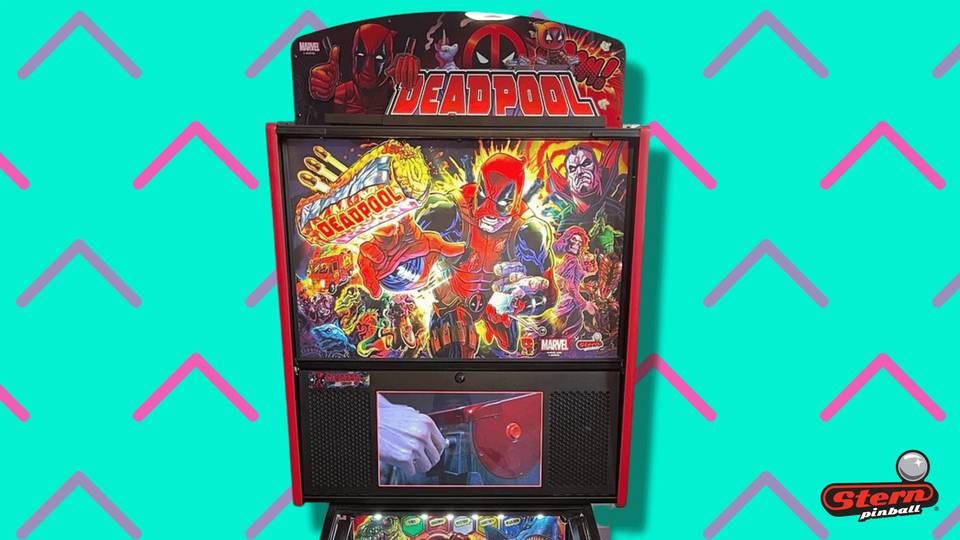
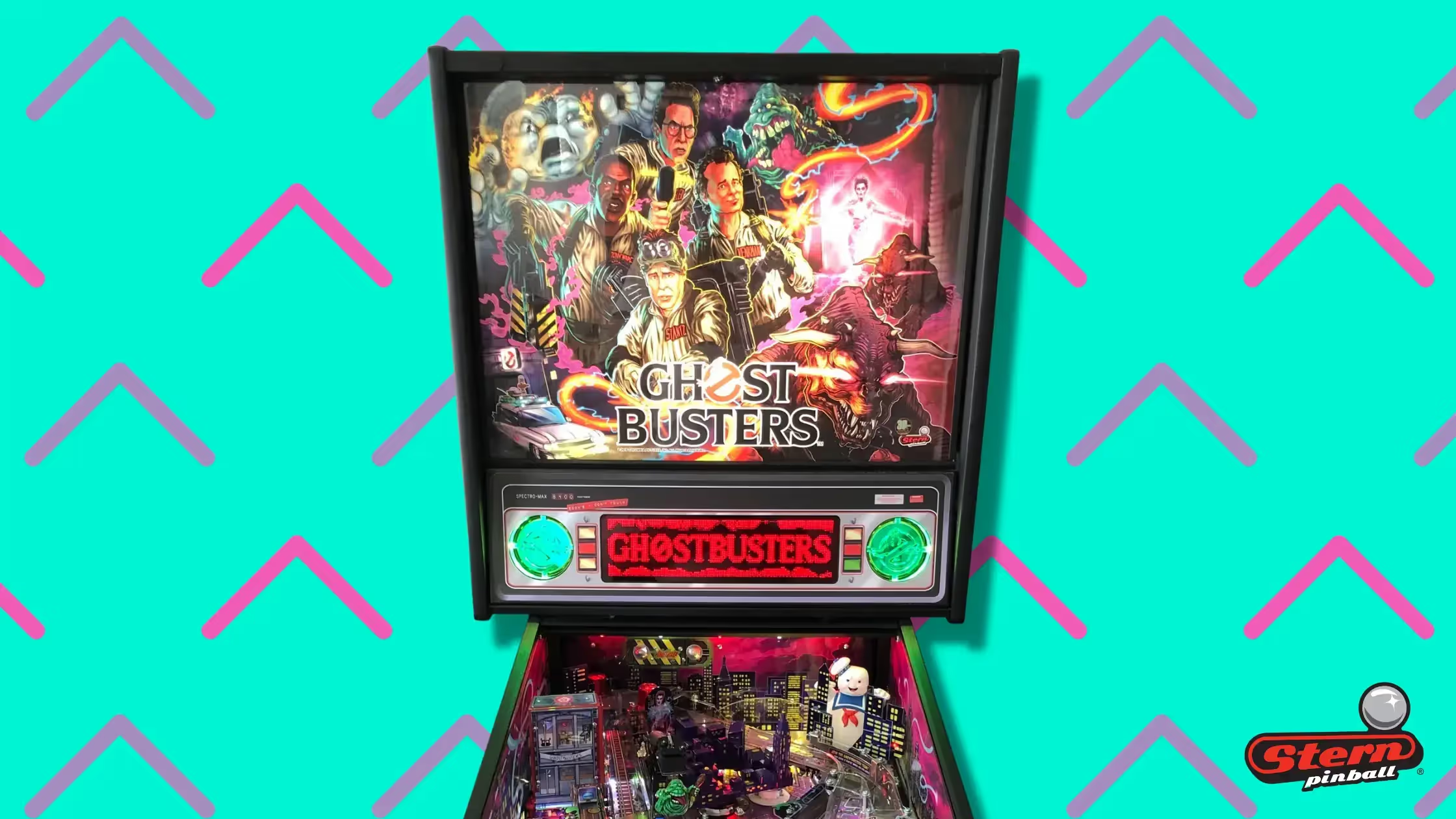
- Games like Deadpool and Ghostbusters are contested: Alex says Ghostbusters is 'not a fan,' Alan says both are fans







Comments