Episode 18 - The Susan B. Anthony Years / Bally

Wedgehead Pinball Podcast
56 min
Summary
Wedgehead Podcast explores Bally's golden era (1979-1981) and design philosophy behind its market-leading solid-state games.
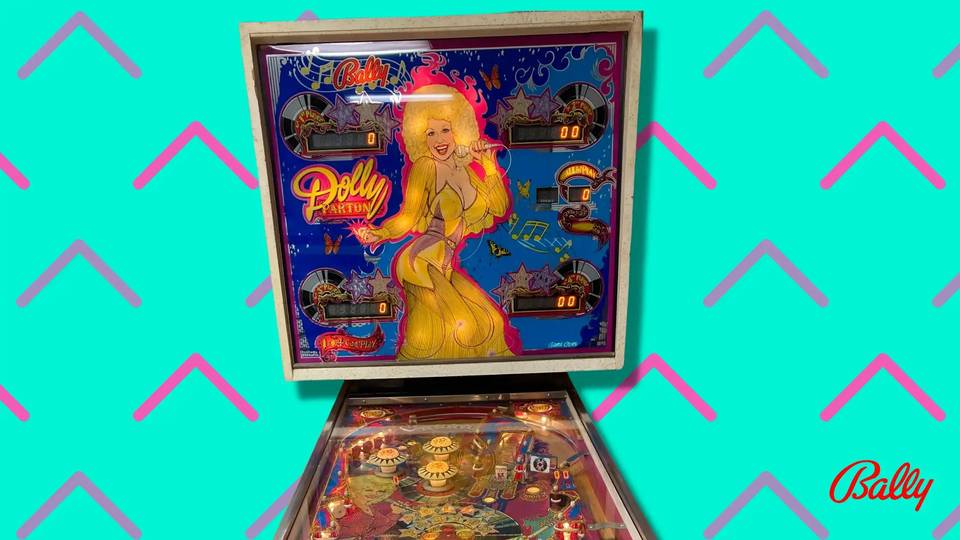
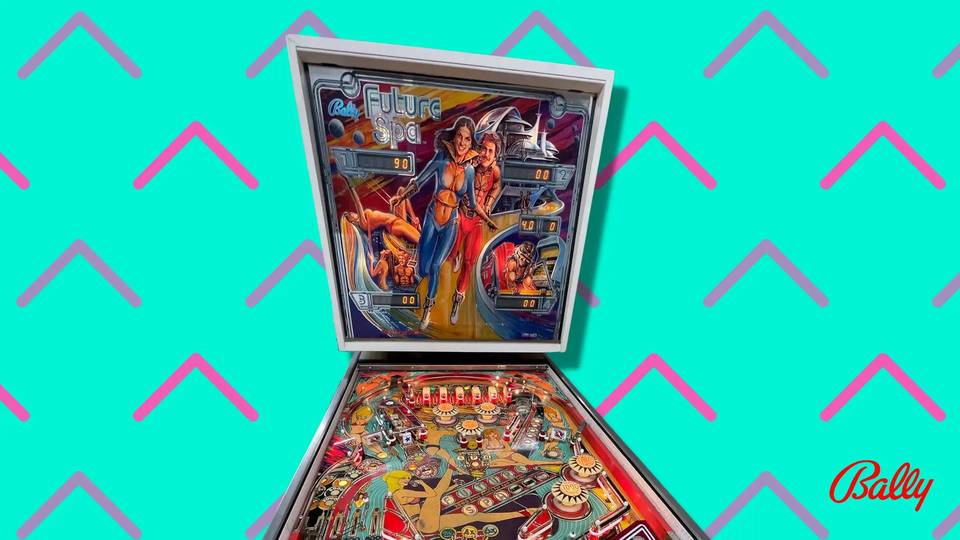
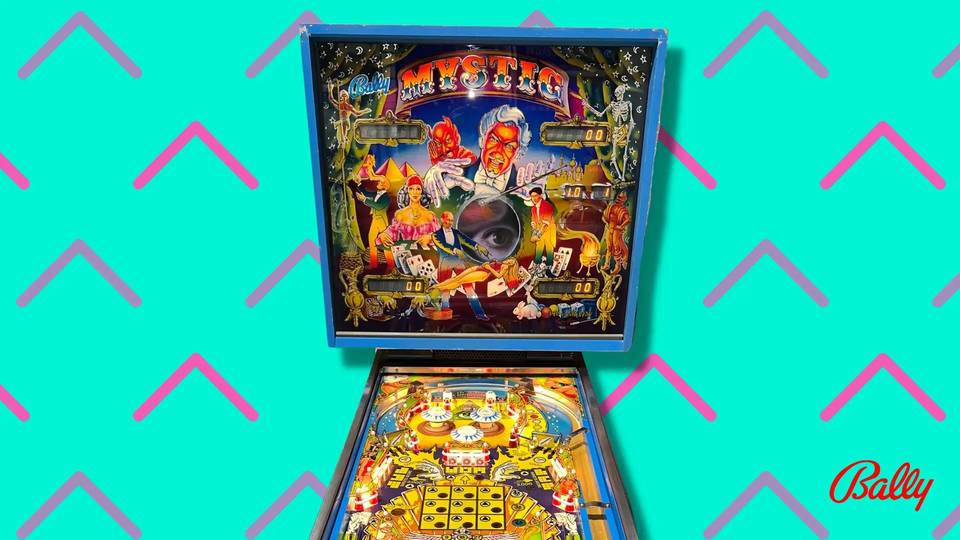
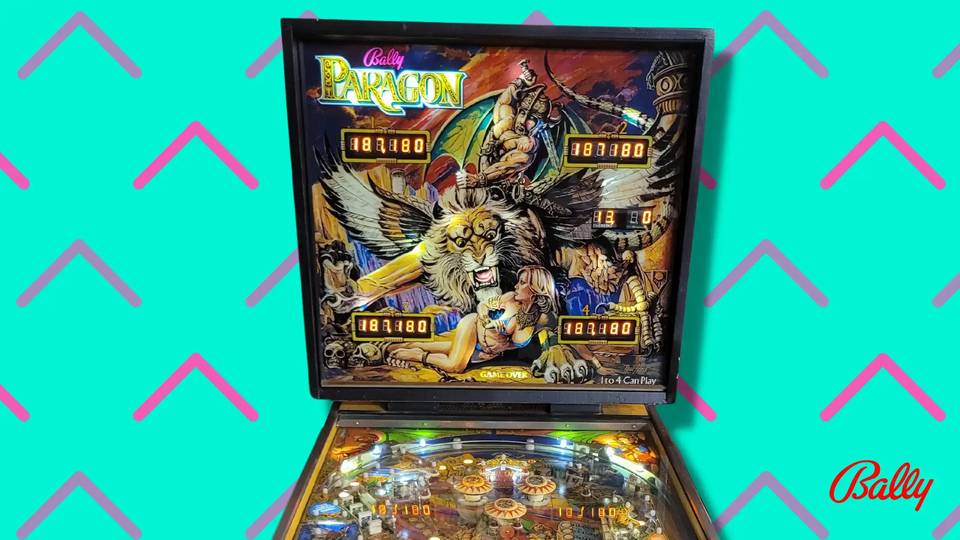
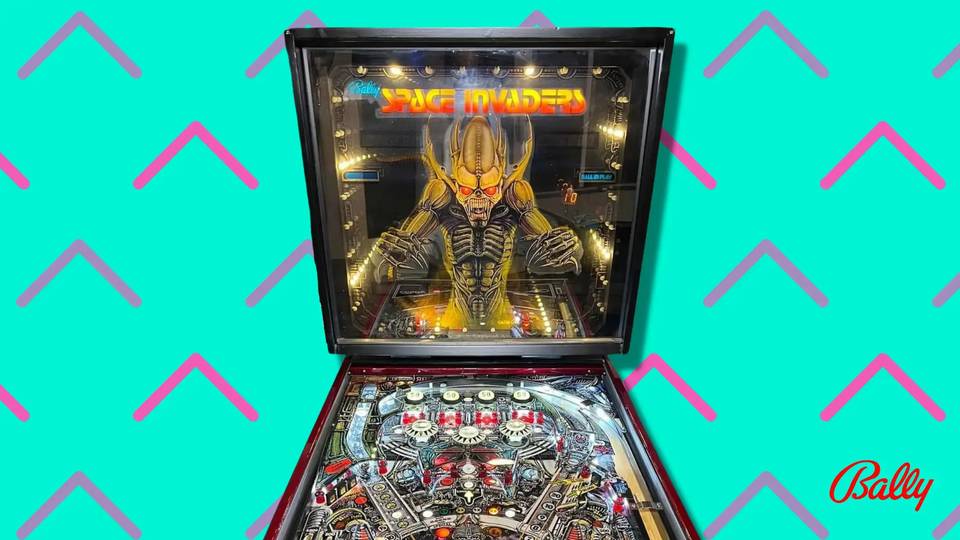
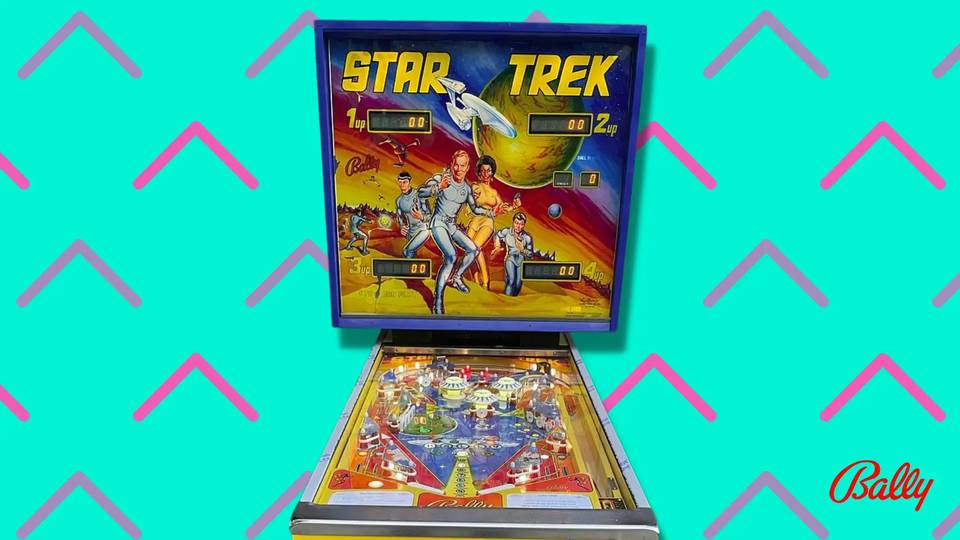
A detailed discussion of Bally solid-state pinball machines from 1979-1981, framed around the Susan B. Anthony dollar coin era that coincided with some of the manufacturer's best-selling and most artistically accomplished titles. The hosts (Alan and Alex from Portland Pinball Bar Wedgehead) and guest Ty Palmer, a solid-state pinball specialist, analyze games including Star Trek, Kiss, Paragon, Harlem Globetrotters, Future Spa, Space Invaders, Mystic, and others, emphasizing Bally's market dominance achieved through early solid-state adoption, strategic licensing, superior art direction, and prolific designers like Jim Patla and George Christian.
Highlights
- Bally was the first pinball manufacturer to adopt solid state and hit the ground running
- Stern Electronics copied the Bally board system and the companies reached a 'gentlemanly agreement' rather than pursuing litigation
- Early pinball manufacturers collaborated on mechanics (pop bumpers, spinners, drop targets) rather than enforcing patents
- Star Trek sold 16,000-17,000 units and was designed by Gary Gaten
- Kiss (1979) was designed by Jim Patla and sold approximately 17,000 units with a rare symmetrical playfield
- Atari produced the first wide body pinball machines before Bally
- Paragon (1979) sold over 9,000 units and was designed by Greg Kamek with art by Paul Faris
- Silver Ball Mania sold over 10,000 units, making it the highest-selling non-licensed theme on the list
- Space Invaders was sued by 20th Century Fox for unlicensed use of alien xenomorph designs from the film
- Jim Patla's games consistently sold 10,000+ units, establishing him as a major driver of Bally's market dominance


Comments