Episode 13 - Superpins
Podcast

Wedgehead Pinball Podcast
51 min
Summary
Deep dive into Williams Super Pins era (1993-94) with design analysis and operator insights.
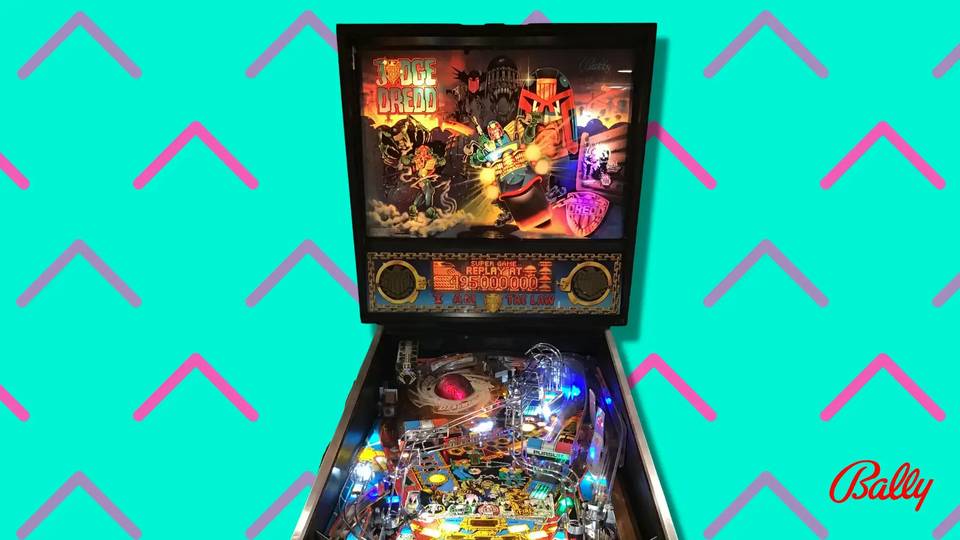
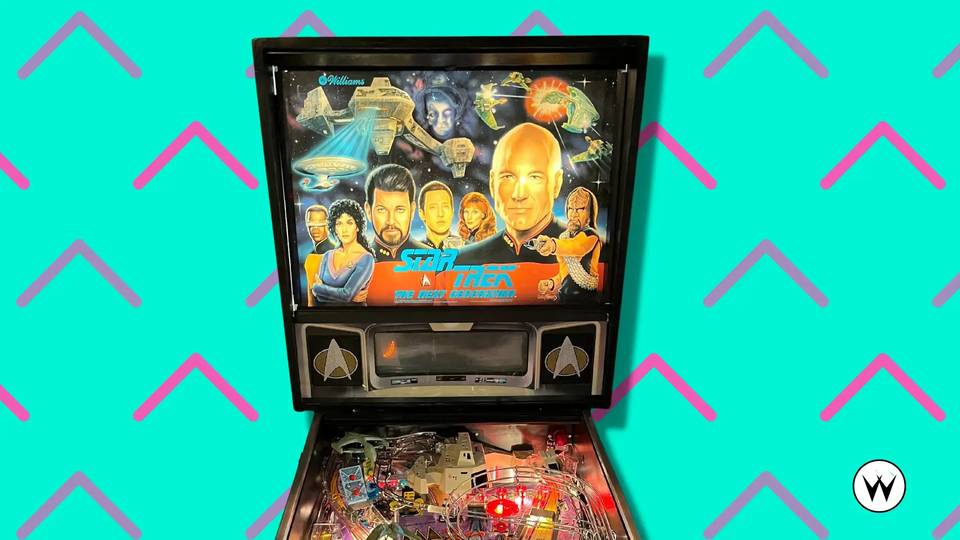
Wedgehead Pinball Podcast 13 provides an in-depth discussion of Williams 'Super Pins' wide-body machines from 1993-1994. The hosts (Alan, Alex, and Christopher Rhodes) review each game in the lineup: Twilight Zone, Indiana Jones, Judge Dredd, Star Trek: The Next Generation, and Popeye Saves the Earth: discussing design, mechanics, themes, code quality, and operator/player experience. The episode blends technical analysis with operator perspective and community lore.
Highlights
- Twilight Zone was the first Super Pin released and the only one without the upgraded DCS sound system used in all subsequent Super Pins
- Pat Lawlor is the only Williams designer who got to make two Super Pins (Twilight Zone and one other)
- The Addams Family sold 21,270 units and is the best-selling pinball game of all time
- Twilight Zone is the number one rated game on IPDB of all time
- Indiana Jones sold 12,716 units and is Mark Ritchie second best-selling game after Fishtails (13,640 units)
- Judge Dredd had a spinning disc 'Dead World' mechanic that was disabled in final production but only worked in prototypes
- Star Trek: The Next Generation was the first game where Steve Ritchie introduced the hyperloop/warp ramp layout pattern
- Popeye Saves the Earth only sold 4,217 units and was forced on distributors as a bundle requirement to get Mortal Kombat arcade cabinets
- Star Trek: The Next Generation was available for $3,000-$4,000 used in the Midwest when this podcast was made, significantly cheaper than Twilight Zone or Indiana Jones



Comments