THE END OF EM ~ WHEN PINBALL BEGAN TO THINK
Summary
History video arguing solid state pinball was adopted for operator economics and uptime, tracing Bally's early experiments from 1975-1978.
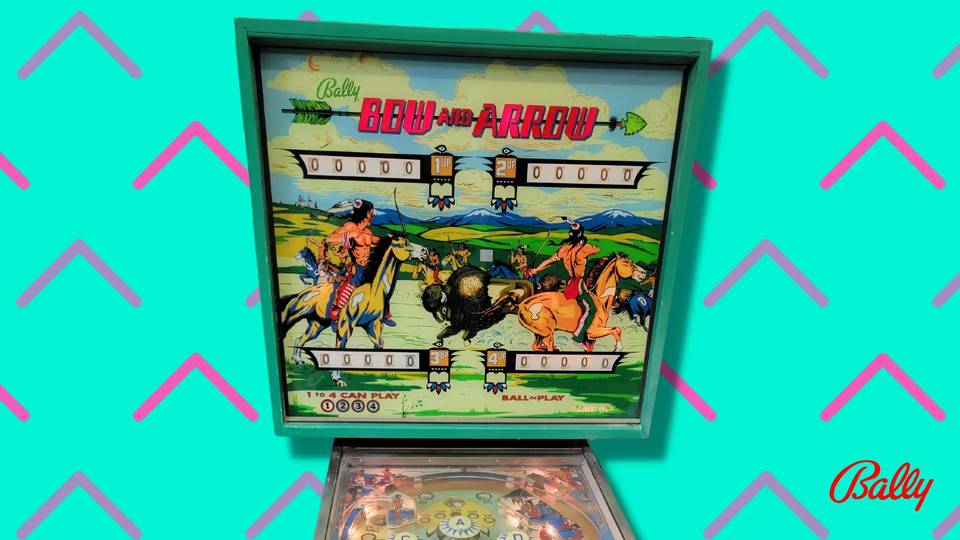
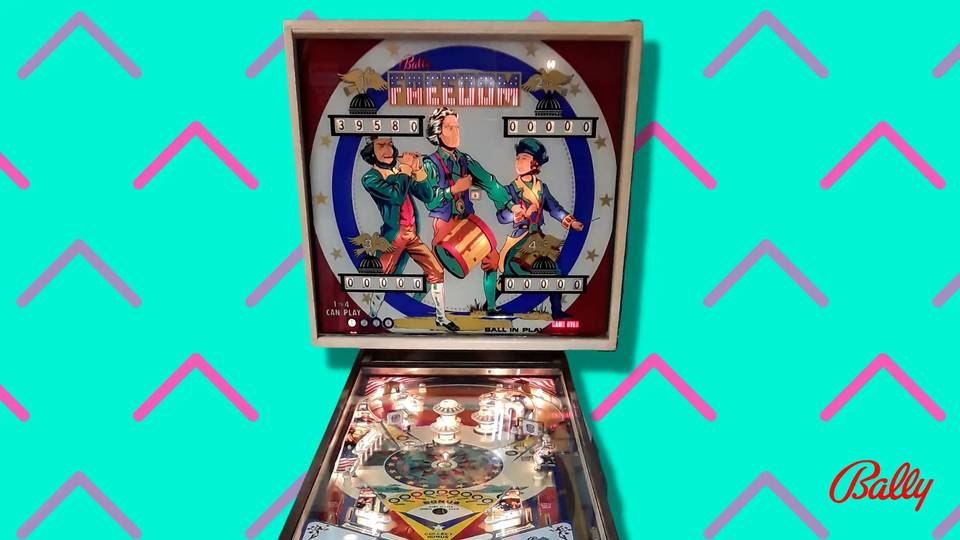
CaptNRetro opens a new series on the birth of solid state pinball, arguing that the shift from electromechanical (EM) to solid state was driven by operator economics and uptime rather than player demand. He traces Bally's early solid state experiments (Bow and Arrow, Freedom, Nightrider, Evil Knievel, Playboy) and contrasts them with Gottlieb's and Williams' more cautious approaches. He closes by framing early Bally solid state games as ideal learning platforms for restoration and repair.
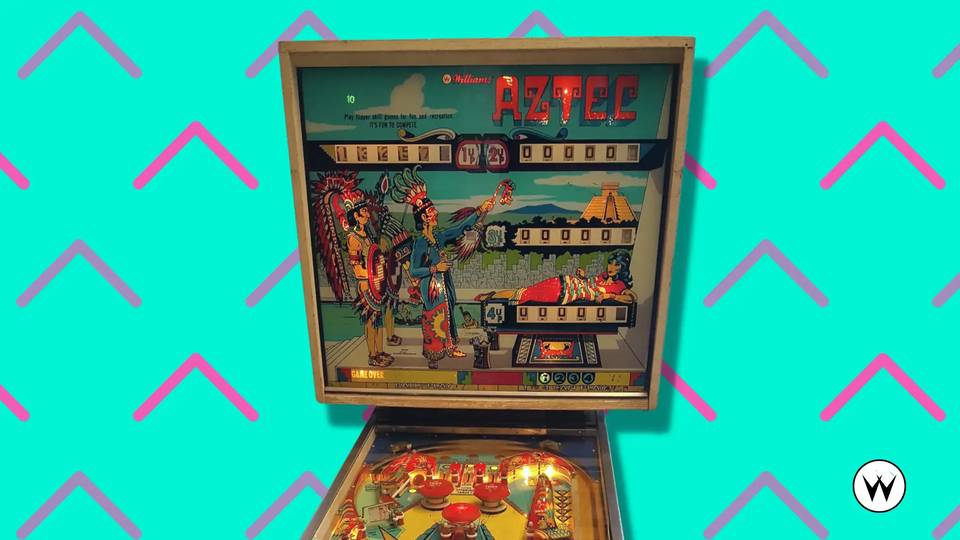
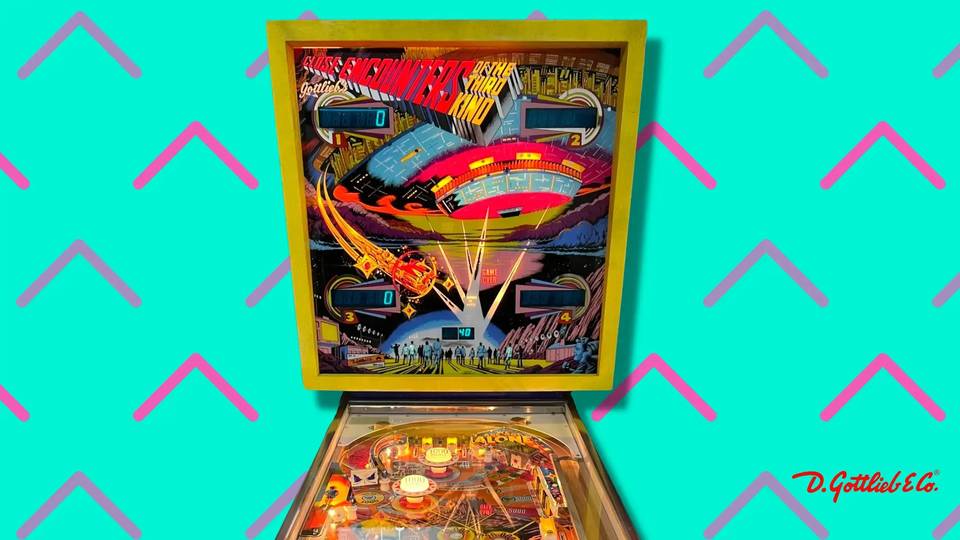
When Pinballs Began to Think – The Birth of Solid State Pinball (CaptNRetro Documentary Series – Episode 0) Pinball didn’t evolve into solid state — it was forced there. In this pilot episode of When Pinballs Began to Think, we trace the messy, uncomfortable transition from electromechanical pinball to early solid-state designs in the mid-to-late 1970s — and why that awkward era quietly saved the industry. Why operators, not players, pushed pinball toward solid state How Bally tested the waters with true EM/SS bridge games Why Evel Knievel (1977) became the moment solid state earned real trust How Gottlieb resisted change and paid for it Why Williams waited in the shadows before eventually dominating And why Playboy (1978) marked the point of no return Most importantly, we explain why early solid-state games — especially Bally machines — are still some of the best pinball machines ever made to learn repair, restoration, and real-world servicing on. Simple rules. Honest layouts. Clear cause and effect. If you can understand these games, you can fix almost anything. This is the first episode in a long-form documentary series diving deep into pinball history — told from the perspective of someone who actually works on these machines.


Comments